


UNI-T UTS7026A 26.5 GHz Signal Analyzer
Overview
The UNI-T UTS7026A is a 26.5 GHz signal analyzer for commercial wireless, IoT, EMI pre-compliance, and R&D characterization work. It covers 2 Hz – 26.5 GHz on a single chassis, with −167 dBm/Hz displayed average noise level (DANL with preamplifier engaged) and 100,001 sweep points across the span.
The UTS7026A is a 26.5 GHz member of the UTS7000A wide-band signal analyzer line. Real-time spectrum analysis is included as a base instrument capability with 40 MHz analysis bandwidth standard, software-expandable to 85, 160, or 255 MHz via the B-series license options. A full ecosystem of measurement options — 5G NR demodulation, vector signal analysis, I/Q capture, EMI pre-compliance, phase noise, advanced power measurements, analog demodulation, and LTE FDD/TDD — expands the same hardware platform to specialized workflows without buying a second instrument.
Choosing Your Model — UTS7000A Series
The UTS7000A name spans eight models on one signal-analyzer platform. The series splits into two configurations: a wide-band configuration (40 MHz baseline real-time bandwidth, software-expandable to 255 MHz) and a narrow-band –NB configuration (20 MHz fixed real-time bandwidth, no upgrade path). Sampling, sweep points, phase noise, DANL, display, interface, and option compatibility are identical across all eight models. Choose the maximum frequency your work requires, then choose the bandwidth configuration.
| Model | Max Frequency | Real-Time Bandwidth | Paired Preamplifier |
|---|---|---|---|
| UTS7000A — Wide-Band Configuration (40 MHz RTSA, software-expandable to 255 MHz) | |||
| UTS7013A | 2 Hz – 13.6 GHz | 40 MHz baseline; B85 / B160 / B255 options | UTS7000A-P13 |
| UTS7026A | 2 Hz – 26.5 GHz | 40 MHz baseline; B85 / B160 / B255 options | UTS7000A-P26 |
| UTS7032A | 2 Hz – 32 GHz | 40 MHz baseline; B85 / B160 / B255 options | UTS7000A-P32 |
| UTS7040A | 2 Hz – 40 GHz | 40 MHz baseline; B85 / B160 / B255 options | UTS7000A-P40 |
| UTS7000A–NB — Narrow-Band Configuration (20 MHz RTSA, fixed, no upgrade path) | |||
| UTS7013A–NB | 2 Hz – 13.6 GHz | 20 MHz fixed | UTS7000A-P13 |
| UTS7026A–NB | 2 Hz – 26.5 GHz | 20 MHz fixed | UTS7000A-P26 |
| UTS7032A–NB | 2 Hz – 32 GHz | 20 MHz fixed | UTS7000A-P32 |
| UTS7040A–NB | 2 Hz – 40 GHz | 20 MHz fixed | UTS7000A-P40 |
Choose the narrow-band –NB configuration when your signals do not require real-time bandwidth beyond 20 MHz — narrow-channel monitoring, single-carrier characterization, slow-hopping signal capture, or EMI pre-compliance on conducted-emissions spans. Choose the wide-band configuration when wideband real-time capture matters: multi-carrier signals, 5G NR FR2 component carriers, wideband modulated payloads, or transient capture across spans up to 255 MHz.
Key Features
- Frequency range 2 Hz to 26.5 GHz, single chassis, no band switching
- −167 dBm/Hz displayed average noise level with the UTS7000A-P26 preamplifier engaged
- Phase noise <−110 dBc/Hz
- Real-time spectrum analysis included — 40 MHz baseline, software-expandable to 85, 160, or 255 MHz
- 100,001 sweep points, six traces, 1 Hz to 10 MHz RBW range
- 11.6-inch TFT-LCD touchscreen with full front-panel keyboard
- USB 3.0, USB 2.0, LAN, HDMI, 10 MHz reference In/Out, dual trigger inputs
- Nine software-licensed measurement options on one platform — 5G NR, VSA, I/Q, EMI, PNM, AMA, AMK, FDD-LTE, TDD-LTE
UNI-T UTS7026A Details
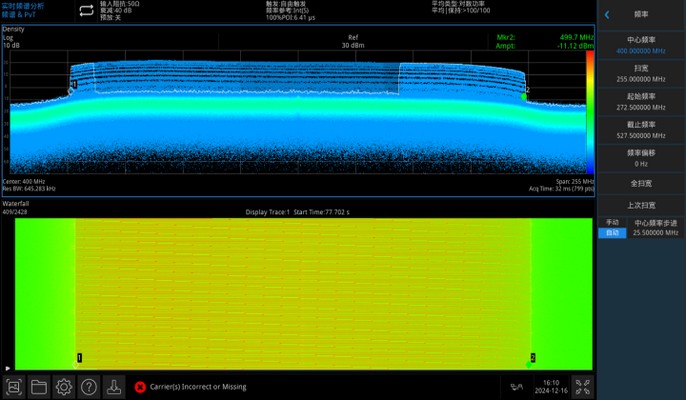
Real-Time Spectrum Analysis — 40 MHz Standard, Software-Expandable to 255 MHz
Real-time spectrum analysis is part of the base instrument. The UTS7026A ships configured for 40 MHz of real-time analysis bandwidth and achieves 100% frequency-domain signal capture in under 3.21 µs, so transient and intermittent signals that a swept analyzer would miss are captured into the trace. The instrument supports density spectrum, spectrogram (waterfall), and Power-vs-Time displays simultaneously, plus a Frequency Mask Template (FMT) trigger for capture on signal arrival, departure, or shape change.
Wider real-time bandwidth is added by software license without changing chassis. The UTS7000A-B85 raises the real-time bandwidth to 85 MHz, the UTS7000A-B160 to 160 MHz, and the UTS7000A-B255 to 255 MHz — sufficient to capture 5G NR FR2 component carriers and wideband modulated payloads in a single record. The license unlock is field-installable on any 40 MHz wide-band UTS7000A chassis and remains permanent for the life of the instrument.
Real-time bandwidth display — modulated signal capture in a single recordFrequency Range to 26.5 GHz with Optional Preamplifier
The UTS7026A covers 2 Hz – 26.5 GHz on a single chassis — no band switching, no external mixers, no second instrument for the higher-frequency portion of the range. The UTS7000A-P26 preamplifier is the paired sensitivity option for this chassis. With the preamplifier engaged, displayed average noise level reaches −167 dBm/Hz — the floor that small-signal characterization, near-noise-level demodulation, and weak-emitter EMI work depend on. Each chassis in the UTS7000A line has its own paired preamp matched to the chassis's frequency range; the P26 is correct for the 26.5 GHz chassis.
5G NR Demodulation Analysis
The UTS7000A-NR option adds 5G New Radio demodulation analysis directly on the instrument. Combined with the UTS7026A's 26.5 GHz frequency reach and the real-time bandwidth options up to 255 MHz, the chassis supports commercial 5G NR characterization across sub-6 GHz (FR1) plus the lower portion of FR2 band n258 (24.25–26.5 GHz, the European 26 GHz mmWave band) used in commercial fixed wireless access and base-station equipment development. Higher FR2 bands (n257, n261, n260) require a higher-frequency chassis in the UTS7000A line.
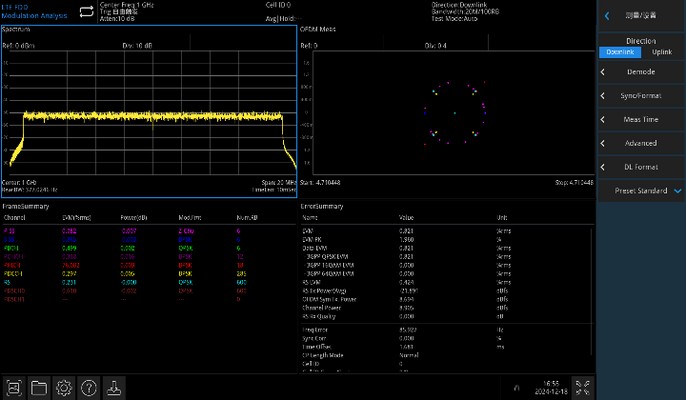 Communications signal analysis display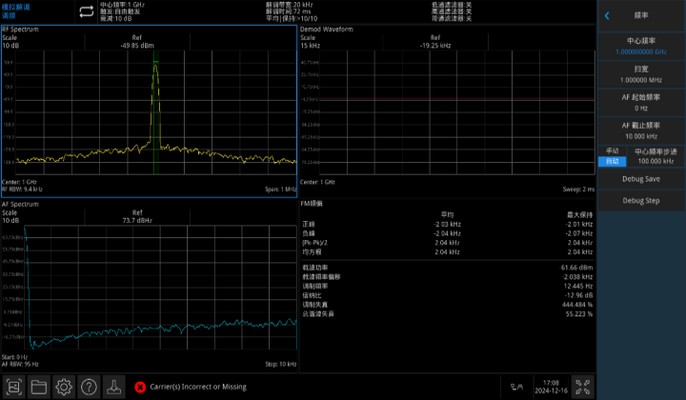
Vector Signal Analysis
The UTS7000A-VSA option provides general-purpose vector signal analysis with constellation, EVM, and symbol-rate measurement across the major digital modulation families — PSK, QAM, FSK, MSK, and ASK variants. Symbol rate is set from 1 ksps up to the instrument's analysis bandwidth divided by symbol points. Used for protocol bring-up on custom radios, IQ-based modulation verification, and digital-radio R&D where the modulation scheme is not a standardized cellular waveform.
Digital modulation analysis — constellation diagram with EVM measurementI/Q Signal Analyzer
The UTS7000A-I/Q option captures complex baseband I and Q time-record data alongside the frequency-domain view. The captured I/Q record supports both time-domain and frequency-domain inspection of the same signal, useful for protocol-level debug, custom-modulation verification, and post-capture analysis in external tools where the raw IQ samples are needed.
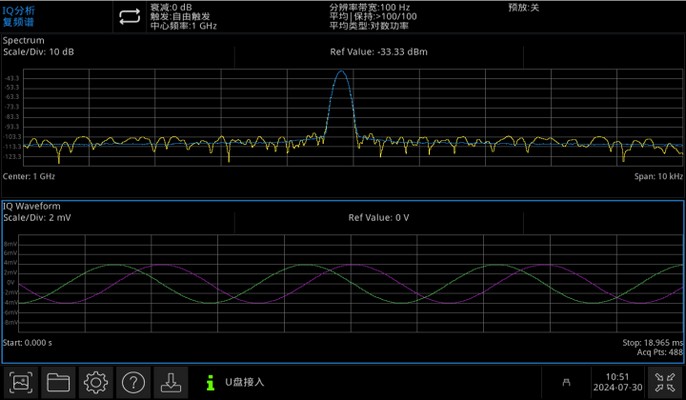 I/Q time-record capture display
EMI Pre-Compliance Testing
The UTS7000A-EMI option configures the instrument for EMI pre-compliance work with CISPR-style detectors (including quasi-peak), pre-defined limit lines, and meter-mode measurement at fixed frequencies. Pre-scan plus final-scan workflows let a development team identify probable emissions failures and characterize their spectral content before scheduling certified-chamber time. Conducted-emissions spans (Band A, Band B) and broader radiated-emissions sweeps are both supported on the same instrument.
Phase Noise Analysis
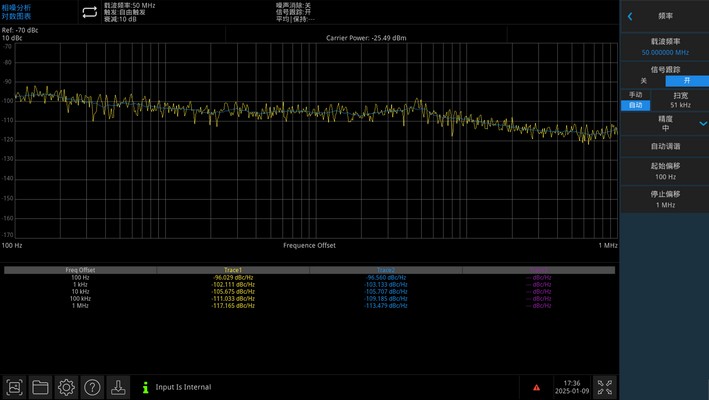
The UTS7000A-PNM option provides one-touch phase noise measurement at user-selected offset frequencies, with dBc/Hz log-plot display. Used for oscillator characterization, synthesizer evaluation, and reference-clock qualification where the instrument's own phase noise floor (<−110 dBc/Hz) is well below the device under test.
One-button phase noise analysis — dBc/Hz log-plot displayAdvanced Measurement Kit — TOI, OBW, Channel Power, ACPR, CNR, Spectrum Monitoring
The UTS7000A-AMK option adds a set of one-touch power and spectral measurements for routine RF characterization work — third-order intercept (TOI), occupied bandwidth (OBW), channel power, adjacent-channel power ratio (ACPR), carrier-to-noise ratio (CNR), harmonic analysis, time-domain power, and spectrum monitoring. Each is a dedicated measurement screen rather than a manual sequence of marker placements, which is the practical difference for production-floor characterization and overnight automated sweeps.
 Advanced Measurement Kit — cycling through TOI, OBW, channel power, ACPR, CNR, harmonic, time-domain power, and spectrum monitoring measurements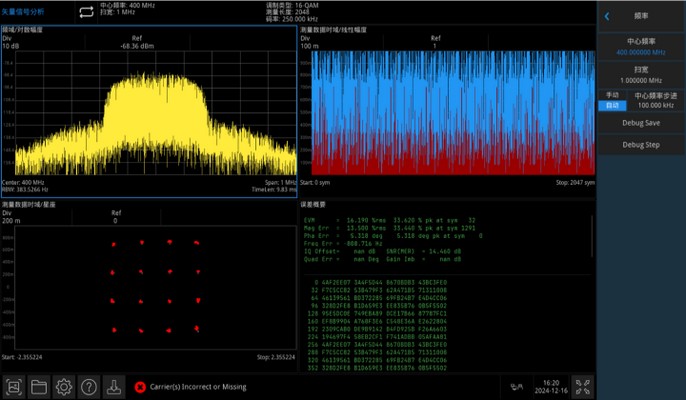
Analog and LTE Demodulation
The UTS7000A-AMA option adds analog demodulation analysis for AM, FM, and PM signals, with measurement of carrier, modulation depth, frequency deviation, SINAD, and total harmonic distortion. The UTS7000A-FDD-LTE and UTS7000A-TDD-LTE options add 3GPP LTE demodulation for FDD and TDD signals respectively, with per-resource-block EVM, frame and slot synchronization, PDSCH and PUSCH characterization, and OFDM signal analysis. Each is a separate license and operates as a dedicated measurement mode on the instrument.
Analog modulation analysis — AM/FM/PM demodulationPrimary Applications
5G NR Sub-6 and Commercial Wireless Equipment Development
The UTS7026A's 26.5 GHz frequency reach covers commercial 5G NR sub-6 (FR1) plus the lower portion of FR2 band n258 (the European 26 GHz mmWave band), supporting commercial base-station development, fixed wireless access equipment, and 5G UE characterization within the n258 allocation. The UTS7000A-NR demodulation option, the real-time bandwidth options up to 255 MHz, and the I/Q time-record option are the three pieces a typical commercial 5G NR bench will use together.
Wireless and IoT Protocol Bring-Up
For 2.4 GHz and 5 GHz commercial bands — Wi-Fi 6 / 6E, Bluetooth, Zigbee, LoRa, and custom proprietary radios — the chassis pairs with the UTS7000A-VSA for digital modulation characterization and the UTS7000A-I/Q for time-record capture used in protocol-level debug and post-capture analysis. Real-time analysis bandwidth options support wideband channels and frequency-hopping signal capture.
EMI Pre-Compliance and Spectral Hygiene
The UTS7000A-EMI option configures the instrument for conducted and radiated emissions pre-compliance work — CISPR-style detectors including quasi-peak, pre-defined limit lines, and pre-scan plus final-scan workflows. For power-electronics designs where switching-frequency emissions and harmonics need to be characterized before chamber time, the combination of EMI option plus the UTS7000A-AMK measurement kit (harmonic analysis, spectrum monitoring) supports a complete pre-compliance bench on one instrument.
R&D Characterization and Spectrum Monitoring
For general signal-analysis R&D work — oscillator and synthesizer phase-noise qualification, intermodulation distortion measurement, spurious search, weak-signal detection, and long-duration spectrum monitoring — the chassis's −167 dBm/Hz noise floor (with preamp), 100,001 sweep points, six trace memories, and real-time density-spectrum display cover the day-to-day workflows. The UTS7000A-PNM phase noise option and the UTS7000A-AMK measurement kit are the most-used adds for this work.
In the Box
- UTS7026A signal analyzer
- Power cord (region-appropriate)
- USB 3.0 cable, 1 m (USB-A to USB-B)
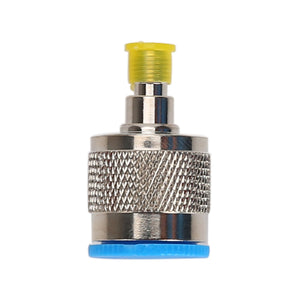
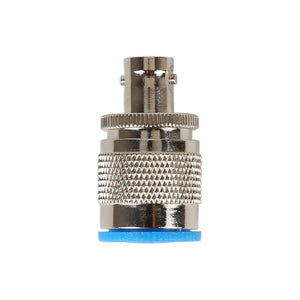
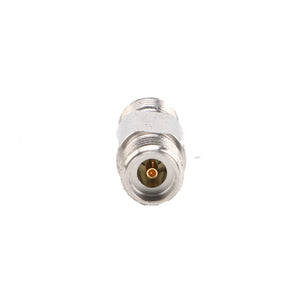
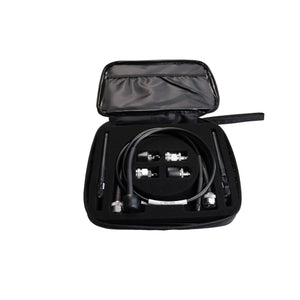
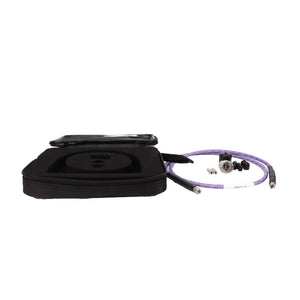
- UT-C04 40 GHz RF adapter (2.92 mm, female to female)
- Factory calibration certificate
- Quick-start guide
Accessories and Family Options
Real-time bandwidth options (software licenses, wide-band configuration only):
- UTS7000A-B85 — 85 MHz real-time analysis bandwidth
- UTS7000A-B160 — 160 MHz real-time analysis bandwidth
- UTS7000A-B255 — 255 MHz real-time analysis bandwidth
Paired preamplifier option (frequency-matched to this chassis):
- UTS7000A-P26 — preamplifier for UTS7026A and UTS7026A-NB
Measurement function options (software-licensed; compatible with all UTS7000A chassis including –NB):
- UTS7000A-NR — 5G NR demodulation analysis
- UTS7000A-VSA — vector signal analysis
- UTS7000A-I/Q — I/Q signal analyzer
- UTS7000A-EMI — EMI pre-compliance testing
- UTS7000A-PNM — phase noise measurement
- UTS7000A-AMK — advanced measurement kit
- UTS7000A-AMA — analog demodulation (AM/FM/PM)
- UTS7000A-FDD-LTE — LTE FDD demodulation
- UTS7000A-TDD-LTE — LTE TDD demodulation
Frequently Asked Questions
Which preamplifier do I order with the UTS7026A?
The UTS7000A-P26 is the matched preamplifier for the 26.5 GHz chassis. Each chassis in the UTS7000A line has its own frequency-matched preamp; using a preamp from a lower-frequency chassis would limit the sensitivity range you can use across the UTS7026A's full span.
Is the tracking generator included or available as an option?
The UTS7000A line does not include a tracking generator on any chassis. For scalar network analysis on a UNI-T signal-analyzer platform with a built-in tracking generator, the UTS5000A series is the alternate instrument.
Can the real-time analysis bandwidth be expanded after purchase?
Yes — the UTS7026A ships with 40 MHz real-time bandwidth and can be expanded by adding the UTS7000A-B85 (85 MHz), UTS7000A-B160 (160 MHz), or UTS7000A-B255 (255 MHz) bandwidth options. These are field-installable software licenses — purchase, register, and install via the chassis Option Install menu.
Are the measurement options installed in the factory, or can I license them later?
The nine measurement options — 5G NR, VSA, I/Q, EMI, PNM, AMK, AMA, FDD-LTE, TDD-LTE — install as software licenses on the instrument and can be added at any time after purchase. Each option installs and activates independently.
Does the UTS7026A support remote programming and automation?
Yes. The instrument supports SCPI programming over LAN and USB, with the standard interface set including USB 3.0 host, USB 2.0 host, USB-Device, LAN, HDMI, 10 MHz reference In/Out, external reference input, and two trigger inputs.
Warranty
This instrument is backed by UNI-T's 3+2 Year Warranty — 3 years of standard coverage, plus 2 additional years free when you register your product. That's 5 years of total protection at no extra cost.
The warranty covers manufacturing defects and component failures under normal use conditions. UNI-T instruments are built for professional daily use, and our warranty reflects that commitment to long-term reliability.
| Frequency Range | 2 Hz to 26.5 GHz | ||||||||||||||||||||||||||||||||||||||||||||||||||||||||||||||||||||||||||||||||||||||||||||||||||||||
|---|---|---|---|---|---|---|---|---|---|---|---|---|---|---|---|---|---|---|---|---|---|---|---|---|---|---|---|---|---|---|---|---|---|---|---|---|---|---|---|---|---|---|---|---|---|---|---|---|---|---|---|---|---|---|---|---|---|---|---|---|---|---|---|---|---|---|---|---|---|---|---|---|---|---|---|---|---|---|---|---|---|---|---|---|---|---|---|---|---|---|---|---|---|---|---|---|---|---|---|---|---|---|---|
| DANL | -167dBm/Hz · 49 values · Preamp Off / Preamp On
|
||||||||||||||||||||||||||||||||||||||||||||||||||||||||||||||||||||||||||||||||||||||||||||||||||||||
| RBW | 1Hz-3MHz (10% Steps), 4MHz, 5MHz, 6MHz, 8MHz, 10MHz | ||||||||||||||||||||||||||||||||||||||||||||||||||||||||||||||||||||||||||||||||||||||||||||||||||||||
| Phase Noise | <-110dBc/Hz · 9 values · 5 groups
|
||||||||||||||||||||||||||||||||||||||||||||||||||||||||||||||||||||||||||||||||||||||||||||||||||||||
| Tracking Generator | Not Available | ||||||||||||||||||||||||||||||||||||||||||||||||||||||||||||||||||||||||||||||||||||||||||||||||||||||
| Real-Time Analysis | 40MHz/255MHz | ||||||||||||||||||||||||||||||||||||||||||||||||||||||||||||||||||||||||||||||||||||||||||||||||||||||
| Realtime Bandwidth | 40 MHz | ||||||||||||||||||||||||||||||||||||||||||||||||||||||||||||||||||||||||||||||||||||||||||||||||||||||
| RTSA Analysis Bandwidth | 5 kHz to 40 MHz | ||||||||||||||||||||||||||||||||||||||||||||||||||||||||||||||||||||||||||||||||||||||||||||||||||||||
| IQ Analysis Bandwidth | 10 Hz to 40 MHz | ||||||||||||||||||||||||||||||||||||||||||||||||||||||||||||||||||||||||||||||||||||||||||||||||||||||
| Max Sampling Rate | 1 GSa/s | ||||||||||||||||||||||||||||||||||||||||||||||||||||||||||||||||||||||||||||||||||||||||||||||||||||||
| Instrument Type | Signal Analyzer | ||||||||||||||||||||||||||||||||||||||||||||||||||||||||||||||||||||||||||||||||||||||||||||||||||||||
Features
- Touch Screen
Full specifications (17)
| Details | |||||||||||||||||||||||||||||||||||||||||||||||||||||||||||||||||||||||||||||
|---|---|---|---|---|---|---|---|---|---|---|---|---|---|---|---|---|---|---|---|---|---|---|---|---|---|---|---|---|---|---|---|---|---|---|---|---|---|---|---|---|---|---|---|---|---|---|---|---|---|---|---|---|---|---|---|---|---|---|---|---|---|---|---|---|---|---|---|---|---|---|---|---|---|---|---|---|---|
| Amplitude flatness |
|
||||||||||||||||||||||||||||||||||||||||||||||||||||||||||||||||||||||||||||
| Sweep Points | 100,001 | ||||||||||||||||||||||||||||||||||||||||||||||||||||||||||||||||||||||||||||
| Traces | 6 | ||||||||||||||||||||||||||||||||||||||||||||||||||||||||||||||||||||||||||||
| Frequency Resolution | 0.001Hz | ||||||||||||||||||||||||||||||||||||||||||||||||||||||||||||||||||||||||||||
| Channels | 1 | ||||||||||||||||||||||||||||||||||||||||||||||||||||||||||||||||||||||||||||
| Features | |||||||||||||||||||||||||||||||||||||||||||||||||||||||||||||||||||||||||||||
| Input Attenuator Range | 0 to 75 dB, 5 dB Steps | ||||||||||||||||||||||||||||||||||||||||||||||||||||||||||||||||||||||||||||
| 1 dB gain compression |
|
||||||||||||||||||||||||||||||||||||||||||||||||||||||||||||||||||||||||||||
| Trigger Types | Free Run, External 1, External 2, Video, Periodic Timer, RF power | ||||||||||||||||||||||||||||||||||||||||||||||||||||||||||||||||||||||||||||
| Marker Functions | Marker Noise, Band Power, Band Density, N dB, Counter | ||||||||||||||||||||||||||||||||||||||||||||||||||||||||||||||||||||||||||||
| Amplitude Units | dBm, dBmV, dBμV, V, W | ||||||||||||||||||||||||||||||||||||||||||||||||||||||||||||||||||||||||||||
| General Information | |||||||||||||||||||||||||||||||||||||||||||||||||||||||||||||||||||||||||||||
| Display Size | 11.6in | ||||||||||||||||||||||||||||||||||||||||||||||||||||||||||||||||||||||||||||
| Display Type | TFT LCD | ||||||||||||||||||||||||||||||||||||||||||||||||||||||||||||||||||||||||||||
| Interface | USB-Host: USB 3.0 x1|USB 2.0 x 1|USB-Device: USB 3.0 x1|LAN|10MHz In/Out|Ext Ref In|Trg In x2|HDMI|Headphone Jack | ||||||||||||||||||||||||||||||||||||||||||||||||||||||||||||||||||||||||||||
| Dimensions (W×H×D) | 484 × 189 × 475.5 mm | ||||||||||||||||||||||||||||||||||||||||||||||||||||||||||||||||||||||||||||
| Weight | 15 kg | ||||||||||||||||||||||||||||||||||||||||||||||||||||||||||||||||||||||||||||
| Warranty | 3+2 years | ||||||||||||||||||||||||||||||||||||||||||||||||||||||||||||||||||||||||||||
| Certifications | CE|cETLus | ||||||||||||||||||||||||||||||||||||||||||||||||||||||||||||||||||||||||||||
Data Sheets and Manuals
- UTS1000B-T UTS3000B-T UTS3000T+ UTS3000A UTS5000A UTS7000A Spectrum Analyzer Analog Demodulation Function - User Manual →
- UTS1000B-T UTS3000B-T UTS3000T+ UTS3000A UTS5000A UTS7000A Spectrum Analyzer EMI Function - User Manual →
- UTS3000A UTS5000A UTS7000A Signal Analyzer IQ Function - User Manual →
- UTS3000A UTS5000A UTS7000A Signal Analyzer LTE FDD Analysis - User Manual →
- UTS3000A UTS5000A UTS7000A Signal Analyzer LTE TDD Analysis - User Manual →
- UTS3000A UTS5000A UTS7000A Signal Analyzer PNM Function - User Manual →
- UTS3000A UTS5000A UTS7000A Spectrum Analyzer VNA Function - User Manual →
- UTS3000A UTS5000A UTS7000A Spectrum Analyzer VSA Function - User Manual →
- UTS3000A UTS7000A Signal Analyzer RTSA Function - User Manual →
- UTS7000A Series Signal Analyzers - User Manual →
Check your instrument’s hardware revision before updating firmware — different hardware revisions take different builds.
Authentic UNI-T accessories are an affordable way to extend the functionality of your instrument.
UTS7000A Options 16
Need to add specific functionality to your UNI-T instrument? Here are our options for specific applications and measurement types. Have a question? Contact us at 888-668-UniT (8648).
UTS7000A-AMA Analog Demodulation Measurement Option
$999.00
UTS7000A-AMK Advanced Measurement Kit Option
$1,499.00
UTS7000A-B160 160 MHz Real-Time Analysis Bandwidth License
$1,999.00
UTS7000A-B255 255 MHz Real-Time Analysis Bandwidth License
$2,599.00
UTS7000A-B85 85 MHz Real-Time Analysis Bandwidth License
$1,599.00
UTS7000A-EMI EMI Measurement Option
$1,099.00
UTS7000A-FDD-LTE FDD-LTE Demodulation Analysis Option
$6,399.00
UTS7000A-I/Q I/Q Analyzer Option
$999.00
UTS7000A-NR 5G NR Demodulation Analysis Option
$9,599.00
UTS7000A-P13 13.6 GHz Preamplifier Option for UTS7013A
$999.00
UTS7000A-P26 26.5 GHz Preamplifier Option for UTS7026A
$1,699.00
UTS7000A-P32 32 GHz Preamplifier Option for UTS7032A
$2,499.00
UTS7000A-P40 40 GHz Preamplifier Option for UTS7040A
$3,299.00
UTS7000A-PNM Phase Noise Measurement Option
$1,299.00
UTS7000A-TDD-LTE TDD-LTE Demodulation Analysis Option
$6,399.00