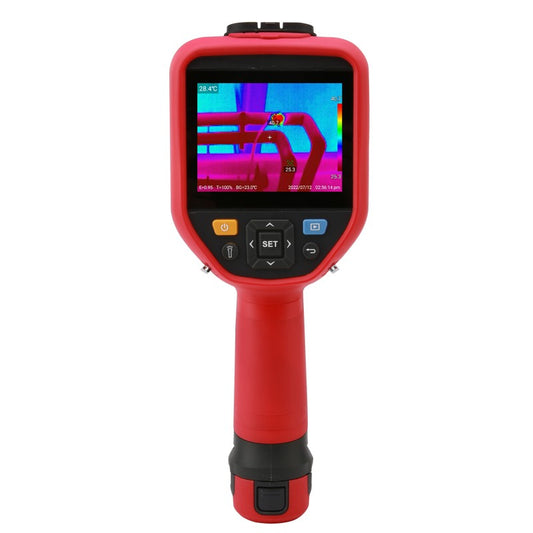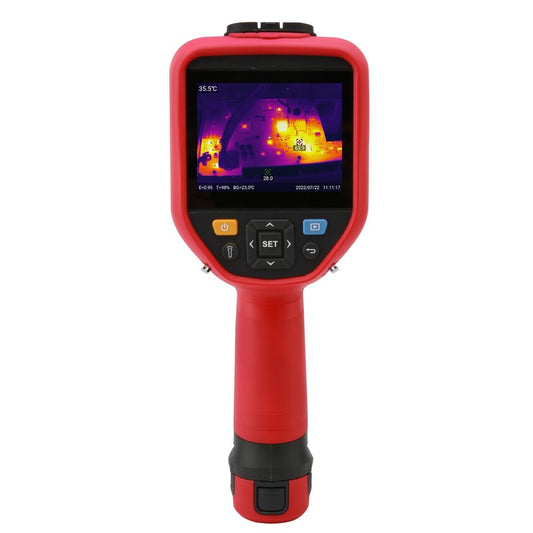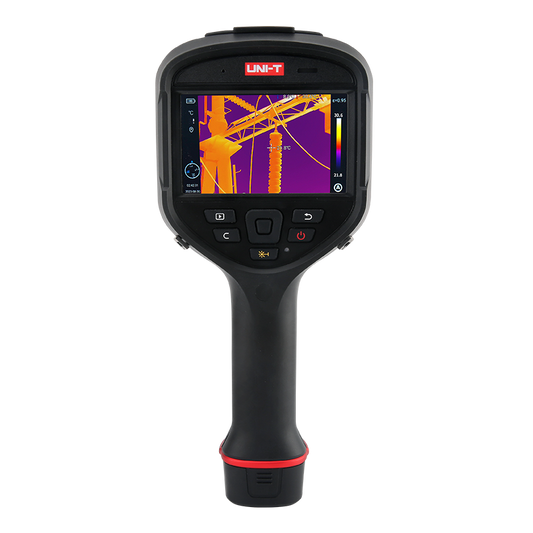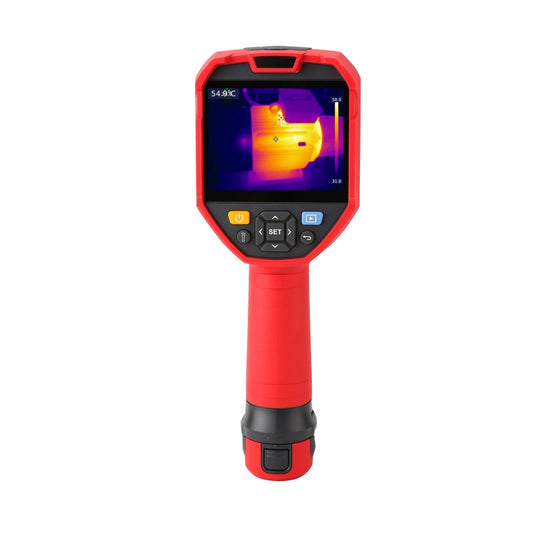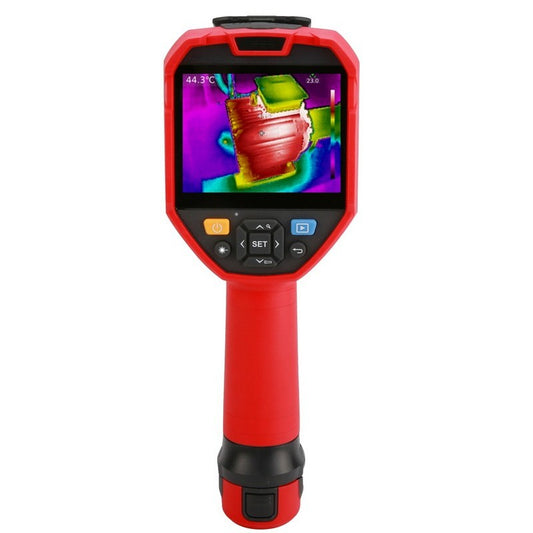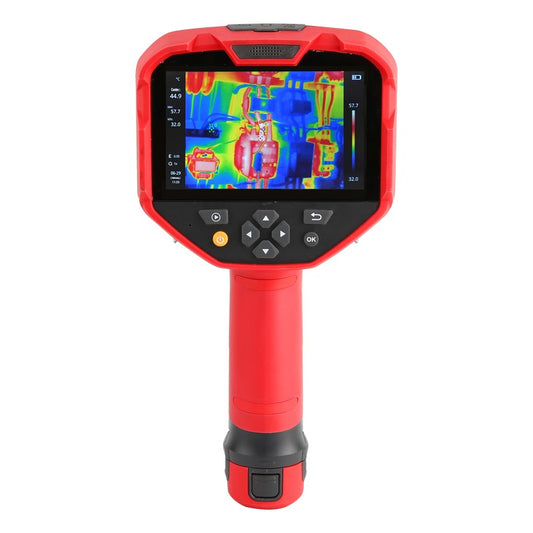
Professional Thermal Imagers


Professional Thermal Imaging Camera Buyer's Guide

Understanding Thermal Imaging Technology

Thermal imaging cameras are powerful diagnostic tools that transform invisible heat signatures into visible images, enabling professionals to detect temperature variations, identify potential issues, and conduct non-destructive inspections across multiple industries.

Key Considerations When Selecting a Thermal Camera

1. Image Resolution

The quality of a thermal camera is primarily determined by its infrared (IR) resolution. Higher resolution means:

  • More detailed thermal images
  • Better ability to detect subtle temperature differences
  • Clearer visualization of thermal patterns

Resolution ranges typically include:

  • Entry-level: 120 x 90 pixels
  • Mid-range: 256 x 192 pixels
  • Professional: 384 x 288 pixels and above
  • High-end: 640 x 480 pixels or higher

2. Thermal Sensitivity

Measured in millikelvin (mK), thermal sensitivity indicates the camera's ability to detect minor temperature differences:

  • Lower mK values (e.g., <50mK) represent higher sensitivity
  • Enables detection of extremely subtle temperature variations
  • Critical for precision diagnostics in electronics, mechanical systems, and building inspections

3. Temperature Measurement Range

Professional thermal cameras should offer:

  • Wide measurement range (typically -20°C to 550°C)
  • Accuracy of ±2°C or ±2% of reading
  • Ability to handle extreme temperature environments
  • Multiple measurement modes (AC, DC, AC+DC)

4. Display and Usability

Look for cameras with:

  • Touch screen interfaces (3.5" to 4.3" recommended)
  • High-resolution color displays
  • Multiple color palettes
  • Intuitive user controls
  • Multilingual support

5. Additional Imaging Capabilities

Essential features include:

  • Visual light/thermal image fusion
  • Digital camera integration
  • Picture-in-Picture (PIP) mode
  • Digital zoom functionality
  • Multiple image modes

6. Connectivity and Data Management

Professional thermal cameras should offer:

  • Wi-Fi connectivity
  • PC/Mobile app integration
  • USB Type-C interface
  • Internal storage (32GB recommended)
  • Easy data export (CSV, JPG)
  • Live streaming capabilities

7. Durability and Field Performance

Key durability factors:

  • IP54 or IP65 rating
  • 2-meter drop resistance
  • Rugged, ergonomic design
  • Long battery life (6-24 hours)
  • Rechargeable lithium-ion batteries

Application-Specific Considerations

Electrical Inspections

  • High-sensitivity thermal detection
  • Temperature range: -20°C to 550°C
  • Precision current and power measurements
  • Limit testing and alarm functions

Mechanical Maintenance

  • Wide field of view
  • Multiple measurement points
  • High frame rate
  • Laser distance measurement
  • Robust construction

Building Diagnostics

  • Thermal and visual image fusion
  • Moisture and insulation analysis
  • Temperature variation tracking
  • Compact, portable design

Automotive Diagnostics

  • Quick temperature scanning
  • Multiple color palettes
  • Laser pointer integration
  • Bluetooth/NFC connectivity

Recommended Accessories

  • Protective carrying case
  • Additional battery packs
  • Interchangeable lenses
  • Calibration certificates
  • Comprehensive analysis software

Budget Considerations

Thermal camera pricing typically ranges:

  • Entry-level: $500 - $1,500
  • Mid-range Professional: $1,500 - $5,000
  • Advanced Professional: $5,000 - $15,000

Conclusion

Selecting the right thermal imaging camera depends on your specific professional requirements. Prioritize resolution, sensitivity, measurement range, and additional features that align with your industry needs.